

Meet the Faculty Behind Hofstra’s Online Health Law and Policy Programs
The faculty who teach in Hofstra University’s online Health Law and Policy programs combine academic excellence with extensive experience in healthcare, legal practice, public policy, compliance, and bioethics. Students learn from scholars and practicing attorneys who bring current legal issues, healthcare regulations, and real-world case studies directly into the online classroom.
From your very first course through your capstone experience, you’ll work with faculty committed to helping you build practical legal knowledge you can apply immediately in your career.
Learn From Faculty Across Law and Healthcare
Hofstra’s online Health Law and Policy programs were founded with input from faculty in the Donald and Barbara Zucker School of Medicine, and courses are taught by experienced Maurice A. Deane School of Law faculty, with support from Northwell Health. Many of your professors are experienced practicing attorneys who specialize in health law, healthcare transactions, compliance, disability law, bioethics, and healthcare policy. You’ll benefit from both academic scholarship and practical industry perspectives throughout the curriculum.
Hear From Our Faculty
Watch our recent faculty webinar featuring Professor Ronald Colombo and Janet Dolgin, program co-founder, as they discuss today’s most pressing issues in health law and policy, the online student experience, and what makes Hofstra’s programs unique.
Transcript
[00:00:43] Junaid Syed: Well, we've got a good number of folks logged on to the session, so I know there's others that might be joining later, but in the interest of time, we'll proceed.
[00:00:54] Junaid Syed: Just wanted to welcome everyone. Thank you so much for taking some time out of your day to join this session.
[00:01:01] Junaid Syed: This is a Meet the Faculty session for Hofstra University's online health law and policy programs. We're really excited to have our very esteemed faculty members part of the call, so we're going to kick things off here with a quick overview of the programs, the online experience.
[00:01:19] Junaid Syed: admissions requirements and sort of tuition, financial aid stuff we'll cover towards the end, because those are all things that probably are top of mind for people who are on this call.
[00:01:31] Junaid Syed: In the meantime, you know, feel free to use the chat function to drop your location. Let us know where you're attending this webinar from. It's always great to see the range of locations that are represented during a session like this.
[00:01:45] Junaid Syed: With that, my name is Janae Syed, I'm the Assistant Director of Admissions Outreach for Hofstra's online health law and policy programs. My role is to work with candidates who are interested in these programs, talk with them about their professional goals, talk with them about program outcomes, ensure that there is strong alignment between those two, and then my role shifts to supporting candidates throughout the application process.
[00:02:09] Junaid Syed: So that's a little bit about what I do. For the agenda today, we'll talk a little bit about Hofstra Law, we'll do the program overview and online experience.
[00:02:17] Junaid Syed: We will, turn our attention to the faculty, discussion portion, which is really the headliner of this event, and then we'll cover tuition and financial aid and the admissions process.
[00:02:30] Junaid Syed: And then we'll have, time blocked off for a Q&A, so if you have questions, you can send those in using the Q&A function, throughout the duration of the presentation, and we will certainly turn our attention to those questions as we approach that last section there.
[00:02:51] Junaid Syed: So, a little bit about Hostra Law. Pre-Law Magazine has rated this an A program, which is an exciting accolade, and also, this is an American Bar Association-approved school of law, with 13,000 alumni working and living across the country.
[00:03:08] Junaid Syed: There's also a very robust partnership with Northwell Health, which many of you know as the largest health system in the region. Lots of opportunities for cross-pollination, so a very exciting partnership that has been long-standing, and one that we're very proud of.
[00:03:25] Junaid Syed: In terms of the three health law and policy offerings, there is the MA, or the Master of Arts, that's a full two-year master's degree program geared toward professionals who do not hold a law degree or don't have a background in law.
[00:03:40] Junaid Syed: In addition to that, there is an LLM, or a Master of Laws program that is specifically geared toward law school graduates with a JD. The difference between these two programs really is just two classes. The start of the MA program has two foundational courses that people who don't have a law background take, and then the remainder of the MA program is… directly mirrors the LLM
[00:04:05] Junaid Syed: program that is designed for attorneys.
[00:04:08] Junaid Syed: The third option is a advanced graduate certificate in health law and policy. This can be for both lawyers and non-lawyers. It's a much shorter version of one of the full master's degree programs. It's four courses that you complete over the course of five to seven months.
[00:04:26] Junaid Syed: Two being the required introductory courses, and then two being the elective courses that you choose from the broader full master's degree curriculum.
[00:04:36] Junaid Syed: Really important thing to note is that students who complete the graduate certificate in good academic standing, that means a 3.0 or higher GPA,
[00:04:45] Junaid Syed: can use the credits that they've earned in the graduate certificate to transfer into the full MA or the full LLM program. So this is a really attractive opportunity for folks who
[00:04:56] Junaid Syed: kind of want to test the waters, they're not sure that they want to commit to a full master's degree program, the graduate certificate option provides a much lighter commitment for those folks who are looking to test the waters a little bit. So, if that's something you're interested in.
[00:05:12] Junaid Syed: You know, certainly we'll have my contact information displayed on a subsequent slide, so you can reach out to me, and we can talk a little bit more about that.
[00:05:24] Junaid Syed: A little bit of a program overview, in terms of, structure. All three of the programs are 100% online and asynchronous, and it truly means that. You never have to step foot on campus.
[00:05:38] Junaid Syed: while enrolled in one of these programs, which is really, really helpful for full-time working professionals, which most of the students in these programs are. Flexibility is really at the heart of these formats. The programs are also asynchronous, which just means that you never have to log in at specific times for any reason. Again, really respecting the demanding schedules of working professionals who are enrolled.
[00:06:01] Junaid Syed: The professors who teach in these programs are practicing attorneys and healthcare officials. Some of them also teach at Hofstra's Medical School. They bring a lot of real-world expertise into these programs, so very important to note.
[00:06:15] Junaid Syed: There is the robust partnership with Northwell Health that I mentioned earlier. The curricula for the program are immersed in health law with highly focused courses, which you'll see when you review the curriculum for the program.
[00:06:32] Junaid Syed: graduates from these programs are equipped with the legal literacy that they need to adapt in a constantly changing healthcare regulatory environment. If you're on this call, you probably work in the healthcare sector, or are looking at pivoting into the healthcare sector. And so I think that's something that's really important for individuals to know, because it is so rapidly changing, in terms of subjects, and
[00:06:56] Junaid Syed: Hot Topics and so forth, that this program really equips students to navigate those changes, which has a really strong impact on your career.
[00:07:10] Junaid Syed: Programs are all offered online, which I had mentioned on a previous slide. They're flexible and asynchronous. The learning modules are interactive for strong engagement with students. There are discussion boards that are collaborative in nature that you'll get access to, in addition to the Hofstra Digital Library, which is a huge opportunity as well. The platform that is used
[00:07:33] Junaid Syed: is also mobile optimized, which means that you can access your curriculum, your coursework on the go. A lot of students have
[00:07:40] Junaid Syed: Travel plans, they travel for work, they travel over the summer with family, and so knowing that they are able to access their curriculum from wherever they are, as long as they have an internet connection, can be a very powerful tool for those who are looking for optimized accessibility.
[00:07:58] Junaid Syed: All of the professors who teach in this program offer optional weekly live synchronous sessions, or virtual sessions.
[00:08:07] Junaid Syed: Students are not required to attend these sessions, and that's why we call the program asynchronous. However, they are strongly encouraged to attend these sessions. The more you put into this, the more you're going to get out of it.
[00:08:18] Junaid Syed: If you can make time to meet with your professors to talk about what's being covered in class, maybe talk about other professional concerns that are on your mind, that can be a very enriching experience.
[00:08:28] Junaid Syed: If you want to attend a virtual session but can't, those sessions are recorded and shared out with students after the fact. So, even if you can't attend, you'll get a recording of the session and be able to view it on your own time.
[00:08:41] Junaid Syed: The professors who teach in this program are incredibly accessible to their students. They understand that most students enrolled in these programs have very demanding lives, and so they certainly go above and beyond to make themselves available to accommodate conversations with the students in the program.
[00:08:59] Junaid Syed: In addition to that, you have 24-7 technical support if there's
[00:09:04] Junaid Syed: tech issues, which we always know there are, that abound, then you will have, support at the university in the form of, of technical prowess that can help you guide, or help guide you through those issues.
[00:09:19] Junaid Syed: Once you apply and are admitted into one of these programs, you will have access to a student success coordinator. The role of that person is to provide ongoing support to you throughout your time as a student in this program. They help with your onboarding. Once you're admitted, they provide orientation materials, they help you get registered for classes, for
[00:09:43] Junaid Syed: your first semester, and every subsequent semester until you graduate. It's a really wonderful relationship that you'll have access to, and you'll be able to lean on this individual for support.
[00:09:56] Junaid Syed: Lots of different career resources and networking opportunities at the university for students to take advantage of as well.
[00:10:05] Junaid Syed: And with that, we will turn our attention to the faculty discussion. We'll start with introductions. Very excited to welcome both Janet Dolgian and Ronald Colombo to this webinar. I'll toss it over to them for their intros. Janet, we can start with you, if you'd like to say hello.
[00:10:24] Janet Dolgin: Hi, I almost wish I could see all of you, because the students in this program over the years have been so wonderful and so meaningful to me as a professor.
[00:10:36] Janet Dolgin: I am a professor at the law school, and as Junaid said, some of us are… I'm also a professor at Hofstra's Medical School.
[00:10:45] Janet Dolgin: And I'm connected with Northwell in a variety of ways, but one is our law school medical-legal partnership, which
[00:10:53] Janet Dolgin: works closely with low-income patients at Northwell to offer them what we call health-harming legal problems.
[00:11:03] Janet Dolgin: I really look forward to working with all of you. I think it's a great program, and they'll really benefit from it.
[00:11:11] Junaid Syed: Fantastic. Thank you so much, Janet. And over to you, Ron.
[00:11:15] Ron Colombo: Well, hello, and again, welcome to everyone. It's so great to see so many of you virtually on the participant list. I hope you're enjoying this so far.
[00:11:23] Ron Colombo: Yeah, I love the program. I was, like Professor Doljen, I'm a full-time professor of law at the law school here at Hofstra. I joined in 2006.
[00:11:33] Ron Colombo: when I was serving in the dean's office as Associate Dean about 15 years ago, we had the idea of launching this program. And, so I've been at the,
[00:11:45] Ron Colombo: involved in it, so has Professor Julgin since its very inception. We helped craft the courses, the curriculum, chose all the introductory professors who designed all the courses.
[00:11:56] Ron Colombo: been involved with the quality control ever since, and I, too, teach in the program regularly. In fact, I will teach every master's student that comes into the program, because I teach the very first course in the program, which is Law 2993, Introduction to the American Legal System. And once again, welcome.
[00:12:15] Junaid Syed: Very good, thank you so much, professors. And with that, let's just get into our discussion questions. So we have a few questions compiled that have
[00:12:23] Junaid Syed: Have been sourced from prospective students that we hear from.
[00:12:27] Junaid Syed: And these are questions that are really important to them, and that's sort of, you know, the audience of individuals who are a part of this session. So, first question, we'll start at the beginning here. Both of you, as you mentioned on the aforementioned slide, were part of this program's foundations.
[00:12:43] Junaid Syed: Can you share with us a little bit about what the intention was behind the design of the program? And we can start with whomever, but yeah, feel free to chime in.
[00:12:53] Ron Colombo: Professor Dolgeon, if you don't mind, I'll take the first cut at this. So, as I mentioned, when I was in the Dean's office, we regularly meet with alumni.
[00:13:00] Ron Colombo: And, and leaders in the field, of the legal field. And we were hearing that there was a need, an unmet need, for a law
[00:13:10] Ron Colombo: and health policy degree program. There just weren't that many out there at the time. The Affordable Care Act was, you know, was still news, it had passed recently, and there was a lot of change and excitement in the field.
[00:13:24] Ron Colombo: And, we also then looked at our strengths, right? So there was an opportunity, this is the business school people, SWOT analysis, right? So there was a… we saw an opportunity in this field, but then we also saw that we had
[00:13:34] Ron Colombo: a particular strength, because we have not only a first-class law school, ABA accredited, been around for a while, to say the least, but we also had a new medical school, put up not too long ago, and so we could join forces, and we felt we could put together a top-shelf, state-of-the-art.
[00:13:53] Ron Colombo: law and health policy degree program to meet this unmet need, and so we decided to put the resources behind it and launch it. And that was, we started offering courses. I double-checked my notes exactly 10 years ago, in the fall of 2016 was when we launched our first courses.
[00:14:15] Janet Dolgin: Thank you, Professor Columbo.
[00:14:18] Janet Dolgin: as usual, there's very little crucial to add to anything Professor Colombo says, but I'll add a little bit by way, I guess, mostly of gloss. So, I have been,
[00:14:33] Janet Dolgin: So my… my first interest as a professor is my students, but my second interest is health law, and, we really started this program
[00:14:45] Janet Dolgin: with the aim of making it profoundly interdisciplinary, and I think we've really succeeded in that. We have, students as well as teachers who are, lawyers and doctors and public health professionals.
[00:15:00] Janet Dolgin: And it provides for an environment that is maximally attuned to what one needs today to learn about health law. We are in, as you all know, on many fronts, very tumultuous times.
[00:15:17] Janet Dolgin: And to learn something about the law's role in health, and the role of…
[00:15:24] Janet Dolgin: Governmental policy is really essential now to finding your place in the universe of healthcare, and that's what we want to offer our students.
[00:15:33] Ron Colombo: If I may chime in one last time, I was remiss in not mentioning our own Professor Dolgian, who is with us, when I talked about our strengths, not only do we have a first-class law school and a first-class medical school.
[00:15:46] Ron Colombo: We have a first-class, nationally renowned expert in the field of health law in the person of Professor Janet Dolgen, who's with us today. And she was sort of the soul behind this program. We picked her brain in putting everything together, and she lent her time to it. And so, you know, part of our
[00:16:04] Ron Colombo: the hand we were dealt with the people we had at the law school at the time and continue to have. So, again, it was sort of everything aligned correctly to say we could do this, and I've been very proud of what we put together.
[00:16:17] Junaid Syed: Fantastic. Thank you both so much. That's an incredibly important context, I think, for a lot of the folks on this call, so really appreciate you providing that. There's a lot of value in that. And so, you know, turning our attention to another question that is top of mind for people who work, whether they're in healthcare or in the legal sector, you know.
[00:16:39] Junaid Syed: why, right? Why is it so important for these professionals to understand health law? Obviously, this program is offered, it's got, you know, quite a few accolades over the decade that it's been running, but if you could just strip it back to basics, you know, and sort of speak to the why that people who work in these sectors have, why do they need to understand health law?
[00:17:04] Junaid Syed: And Janet, we can start with you.
[00:17:07] Janet Dolgin: Okay, thank… thank you both.
[00:17:11] Janet Dolgin: So, to me, it just seems essential if one is working in healthcare directly as a clinician in some regard, an RN, an NP, an MD, a DO, whatever you are, or a physical therapist.
[00:17:28] Janet Dolgin: and so on, it's just essential to understand the legal and policy components of the field. You're going to be completely at sea, and I think that's increasingly so, if you aren't attuned to what is going on with law and governmental policy.
[00:17:48] Janet Dolgin: I think for lawyers in healthcare, our program offers an enormous
[00:17:56] Janet Dolgin: Enrichment to their practice, because they get to understand not only the legal issues, the, whatever it is, the effort to, provide
[00:18:09] Janet Dolgin: Medicaid for a client, a malpractice suit, a suit involving regulatory issues, but they get to understand the larger setting within which their legal practice might suddenly, for the very first time, make
[00:18:25] Janet Dolgin: Sense and be profoundly meaningful.
[00:18:30] Junaid Syed: Yeah, well said, Professor. Thank you for that context. I think that, you know, it's a question a lot of folks are asking. They talk with their, you know, supervisors at work and their colleagues, and it's a question that, you know, really leads them to these programs. So, appreciate that context. Do you have anything to add to that, Professor Colombo?
[00:18:48] Ron Colombo: No, no, I mean, I can't improve upon that or add to it. Thank you so much, Professor Dolgeon and Janae.
[00:18:56] Junaid Syed: Got it. So moving on, we'll talk about Hofstra specifically. So there are, you know, when prospective students are comparing programs, they see this one, they see others that are offered at schools that are, you know, regionally near Hofstra. Perhaps they look at schools out in the West Coast. There are, you know, a number of schools that offer programs that are specializations in health law or policy, or just broader
[00:19:20] Junaid Syed: Masters of Legal Studies programs that kind of touch on health law. So, curious to hear from you, and maybe you can take this one, Professor Colombo. You know, what makes this program at this school the best choice for students who are seeking this knowledge?
[00:19:36] Ron Colombo: So, I'll go back to the beginnings. As I mentioned, I won't recount the whole thing, but we designed it because there was a need, and we had the expertise to fulfill that need. So, this wasn't simply,
[00:19:46] Ron Colombo: you know, how can we make some money on the side type of thing? There was a very legitimate… people came to us saying, we really need to do this, and we saw that we had the ability to do it right, and it took a lot of thinking, and a lot of time and effort went into building this just right, and so we spared no expense, and we built the program as we believe it should be built. Not on the fly, it took quite a while.
[00:20:06] Ron Colombo: And we're very proud of what we've done. So, I would ask you to look around at the other programs. A lot of these other programs that are out there, I don't want to
[00:20:12] Ron Colombo: has too much heat on competitors. But a lot of schools, what you'll see they do is they have these sort of generic master's programs with a concentration in health law, or something like that. So there's, you know, 8 or 9 classes you have to take, everyone has to take, and then if you want to do the health law program, you take those. If you want to do the cybersecurity program, you take those extra electives.
[00:20:31] Ron Colombo: Every single course in this program was designed for this particular degree. There are no fluff courses. In fact, the closest thing to a generic course would be mine, the one I teach, which is the Introduction to the American Legal System.
[00:20:45] Ron Colombo: But right after that, on the heels of that, you get Introduction to Health Law, and then each and every other course in the program is specialized… a specialized healthcare course. Medicare, Medicaid, healthcare, ethics, compliance in healthcare, etc. Representing healthcare providers.
[00:21:05] Ron Colombo: So, I would ask you to look very closely at the curricula of these various programs, and look at the course offerings. Look at also who's teaching them. You know, we have people like Professor Dolgian in our program, which… I don't know how many other programs can speak… well, nobody else has Professor Dolgian in their program, so there you go, we win that one. Another thing is, I just say, you know, over the 10 years, we've really gotten to know our
[00:21:30] Ron Colombo: students well.
[00:21:31] Ron Colombo: And the program is geared towards students. This probably describes about half of you. Busy working professionals, not only busy with work, but you have a few children maybe to take care of, maybe an elderly parent or two. You might have your own health issues, because frankly, I think a lot of people gravitate to this industry because of personal experience.
[00:21:51] Ron Colombo: We know that you're busy. We know that you're stretched, burning the candle at both ends. Our professors cold throughout 10 years of teaching these courses. We've only kept the best ones, we've, you know, we've replaced people that we didn't think were just at the level we wanted. We have a great, great roster of instructors right now, and
[00:22:11] Ron Colombo: they know that you're busy, and they know they have to be flexible and work with you, and I don't know if every program is so committed like that, so there was a…
[00:22:20] Ron Colombo: I forget the brand, and I'm aging myself, but I remember when I was a kid, there was a commercial that said something, the tagline was something like, the educated customer is our best consumer. Well, I'll say the same about our program. If you go around and shop around, you look at the other programs out there.
[00:22:36] Ron Colombo: because I, you know, I've done recruiting, you see this is a webinar. I speak to students when they decide, ultimately, to come to our program, and they say almost… again and again, what I hear is, I liked the courses, I liked the curriculum, I looked at it, and it was… it was robust, and it was what I was looking for.
[00:22:52] Junaid Syed: Yeah, fully corroborating what you said there, Professor, because most of the conversations that I have with, at first, prospective students who then decide to apply to these programs, they have to look around. And what they find is that, you know, there are just more
[00:23:08] Junaid Syed: broader, generalized Masters of Legal Studies programs, potentially, that touch on health law as one area of an overall program. This is such a fully immersive program in health law and policy, so if that's your sole focus, then this really is a spectacular program for you. So, thank you for sharing that context.
[00:23:28] Junaid Syed: We'll… we have one question in the chat, I'm gonna save that, it's a great question, but we'll… we'll come back to that. So,
[00:23:36] Junaid Syed: would love to hear from both of you on this, about, you know, when people are considering applying, they want to envision what it's going to feel like being in the program, right? They want to know what their day is going to look like, they want to know what their week is going to look like, and so…
[00:23:51] Junaid Syed: You obviously both teach different classes in this program. Curious to hear from you, and we can start with you, Professor Dulgen.
[00:23:58] Junaid Syed: What does a typical day or week, or assignment even, look like in your class? How are students navigating it? What are the expectations? And generally speaking, what are they learning in your course?
[00:24:11] Janet Dolgin: So, I say this to my students, I should probably be more vested, that is to say, discreet, but I really want people to have fun, to enjoy doing this.
[00:24:24] Janet Dolgin: So I've designed my assignments and my, reading materials with that idea in mind.
[00:24:34] Janet Dolgin: A typical week, involves
[00:24:38] Janet Dolgin: Our week actually begins on Monday and ends Sunday night. Typically, we will have discussion board prompts that the students reply to, and reply to each other's replies for the first few days of each week.
[00:24:56] Janet Dolgin: During that time, they should begin to read the assigned materials, which I've really chosen not just because they're informative, but also because they are exciting. And then, in many weeks, there's an assigned short essay that students submit
[00:25:15] Janet Dolgin: to me online, it, stems from a prompt that I offer them, and to which they respond. And I, I'm sort of a stickler for my own commitment to this. I almost always try to get those assignments back to my students.
[00:25:34] Janet Dolgin: Within no more than 48 hours, so that they can have a sense of my response to their work, which I've learned a lot from. I've learned a lot from my students' submissions.
[00:25:49] Junaid Syed: Yeah, fantastic. So, so, so timely, right, is the takeaway there with your responses, and such an important thing because, you know, timely feedback is incredibly crucial for these students. So, how about for you, Professor Columbo? What would you say this typical day or week or even assignment looks like?
[00:26:07] Ron Colombo: This is gonna be a little bit repetitive, so bear with me, because a lot of us do the same thing. We built the program based on a model of best practices, you know, what we're… we spoke with actual consultants in the field, you know, even though we've been teaching law for a very long time, both Professor Joeljan, myself, and everyone in the program.
[00:26:23] Ron Colombo: Online world is a little different, and we wanted to make sure we, you know, achieved best practices, and so that's… you'll see the similarities. But let me pick up where she ended about learning from one another.
[00:26:34] Ron Colombo: we have an incredibly diverse student body, from nurses to physicians. I've had an insurance executive or two, certainly lawyers, and they get together on these discussion boards and these assignments, and they learn from each other, and I learn from them as well, because there's so many different perspectives
[00:26:52] Ron Colombo: and backgrounds that are brought to the fore. It's just incredible.
[00:26:55] Ron Colombo: But as a typical week, let me… every week is pretty much like this in my course, which is, again, like Professor Dolgence. I start off, there's a 2 or 3 minute video that you could watch of me just sort of previewing the week. This is what you're going to learn this week. These are the… these are the major concepts, so just to sort of orient you to that week. Then there are assigned readings.
[00:27:14] Ron Colombo: Which are a combination of primary and secondary sources, such as actual cases and statutes, plus descriptions of cases and statutes, you know, a text.
[00:27:23] Ron Colombo: Then there is, a slide, a PowerPoint presentation. That is not 2 or 3 minutes, it's more like 10-15 minutes, might be 2 or 3 of those per week.
[00:27:31] Ron Colombo: Where I then go over, basically, the readings and materials to make sure you do understand. I kind of teach them. So you read them yourself, then you could watch me explain them in my own words, and again, try to stress what I think is the most important, and maybe address what's most difficult.
[00:27:46] Ron Colombo: And like Professor Dolgian, we have
[00:27:48] Ron Colombo: generally speaking, weekly quizzes and weekly, discussion boards. On top of that, we have live sessions. Ours is… my course is pretty much every other week. We'll have a one-hour evening live Zoom session to field questions, and it's always recorded and made available for those who can't attend.
[00:28:08] Junaid Syed: Wonderful. Thanks both for that. I know, you know, that really helps with visualizing, right? What am I going to be up against when I'm in this program week to week? So, thanks for providing that.
[00:28:18] Junaid Syed: Next question is, kind of, kind of related, actually, to the one prior, but, some students express anxiety, right, about going back to school. Maybe they've been out of school for a while. The applicants that I'm working with, you know, some of them graduated with their bachelor's degrees a few years ago, some of them graduated 40 years ago, right? And so, the longer you've been out of school, I think the more anxiety you can have about going back to school, so…
[00:28:43] Junaid Syed: And just managing this program, which is part-time. What advice would you offer to these students?
[00:28:51] Janet Dolgin: So, can I begin that? Because I can, this year, offer a lot of advice from my own experience.
[00:29:00] Janet Dolgin: As you know, I've been a professor for many years. I have a JD degree and a PhD degree, but I decided I wanted to open a legal clinic that involves not only knowledge of the law in the area of my concern.
[00:29:15] Janet Dolgin: But knowledge of mental health and mental illness issues, and I have just started.
[00:29:21] Janet Dolgin: on top of everything, so just that little phrase shows you that it's a lot. An MA program in mental health counseling at Hofstra. I go to classes at night,
[00:29:35] Janet Dolgin: And, it is tough. It is sometimes anxiety-producing, but I am deeply grateful for the opportunity to start learning a totally new field again, and it's really different from the two or three I already know.
[00:29:53] Janet Dolgin: And it offers me a completely novel compass on the nature of humanity and the world, and I really am appreciative for this opportunity. So, anybody who says, this is too hard, this creates too much anxiety, come to me, we can commiserate.
[00:30:11] Junaid Syed: Yeah, I was gonna say, take it from someone who does it all and just signed up to do more, right, Professor? Thanks for that. Anything to add, Professor Columbo?
[00:30:22] Ron Colombo: Well, again, I can't top that, but I'll just supplement it with the following minor, minor observation. First of all, again, another saying was about a journey of a thousand steps starts with one. You pay per semester, right? And so, you know, after the first two courses, which is 3 or 4 months.
[00:30:38] Ron Colombo: if it is too much, if it's not for you, you stop, and that's it, right? You can get off the carousel. No one's going to keep you trapped in for two years. That very, very rarely happens, though. Almost every… virtually every student I've ever encountered, and that's almost all of… well, all the MA students, they continue.
[00:30:54] Ron Colombo: very few get off, because they realize, yes, at first it is very anxiety-producing, but they get used to it, and they find a way to cope. The only other piece of advice I'd give is communication with your professors is key. Our professors will be extremely flexible.
[00:31:11] Ron Colombo: But you gotta keep them in the loop, right? So, this might be obvious, but maybe it's not to some. You know, not turning in an assignment when it's due, and then 3 days later explaining why is not so great. What's much better is to reach out to the professor and saying, I have a huge job commitment this weekend, or a huge family commitment.
[00:31:30] Ron Colombo: Can I get an extension, right? And then you develop those lines of communication. Our professors are… they understand your situation, and they will be as flexible as they could fairly be. So, again, communicate with your professors, they will work with you, they will work with your schedules.
[00:31:46] Ron Colombo: The key thing is to meet ultimate deadlines that you set. There are default deadlines, obviously, for everything, and most people meet them, because you… let me just explain one thing, too. You have the entire semester laid out before… in front of you at the very start of the class. So you see all the due dates, and you could pace yourself so long as you get things in by those due dates. There are no pop quizzes, right? There's no… there are no surprise assignments.
[00:32:09] Ron Colombo: So you could see in 3 weeks from now, I have a paper due. Okay, and you plan accordingly. But even then.
[00:32:14] Ron Colombo: If you reach out to your professors, they will… they will work with you, you know, reasonably, to… to give you some leeway if needed.
[00:32:21] Ron Colombo: So communicate with your instructors, and that helps smooth things over.
[00:32:26] Junaid Syed: Yeah, I love that. I think it's similar, you know, when people are pursuing their bachelor's degrees, they may not have that real-world work experience where they're collaborating with different departments and things like that in a workplace setting, and so may not feel as equipped to have those conversations with their professors. But now that, you know, these are working professionals who are pursuing master's-level studies, they probably have conversations like that at the workplace, and so they feel a little bit more emboldened
[00:32:51] Junaid Syed: to have those.
[00:32:52] Junaid Syed: In the school setting. So appreciate, that, Professor Columbo, that encouragement, to keep the communication open. It's a crucial part.
[00:33:01] Junaid Syed: And with that, that is sort of the end of the questions that we've compiled, to pitch to our faculty here. We're gonna open it up to Q&A. We've got a few questions that are in already. I'm gonna go through… you can use the chat function or the Q&A function, whatever's easiest for you. I'll get to them wherever they're at. But there's one in the chat that I'm gonna get to right now.
[00:33:28] Junaid Syed: I'll just read it off, and then maybe whoever feels most equipped or ready to handle it, you can, but prospective student asks, can you provide an example of how
[00:33:38] Junaid Syed: Graduates for this program have applied what they learned to solve real-world problems, whether it's operationally, in terms of legal risk. They also add that
[00:33:49] Junaid Syed: under the AI growing, I imagine that they mean, the growth of AI.
[00:33:55] Junaid Syed: How this program assists to adapt the change in healthcare, and why.
[00:34:02] Ron Colombo: Okay, so that is tricky to ask, because I don't know exactly how each and every alumnus alumna has
[00:34:08] Ron Colombo: applied what they've learned. I do know that our alumni are a very happy bunch of graduates. I keep in touch with several of them. We feature a few of them on some of our program websites and whatnot. I would say, if you want to, we could
[00:34:25] Ron Colombo: probably put you in… we could put you in touch with someone who's graduated from the program, and they could talk to you how they've used it. I… I… since…
[00:34:34] Ron Colombo: you know, I can't envision all different ways people use, so it's hard for me to answer that question, I'm so sorry. Again, I know that they have told us they've put it to good use, but exactly how, what that means…
[00:34:45] Junaid Syed: Sure.
[00:34:45] Ron Colombo: I don't know, I'm so sorry.
[00:34:47] Junaid Syed: That's okay, but yeah, having specific examples at the ready, I think, is not something that, you know, we came here for, but like you said, Professor, those examples do exist, it's just a matter of sourcing them. And I think, you know, offering up connections to maybe currently enrolled students or recently graduated students would be pretty valuable there, Ling. So, Ling, I think you and I have been in
[00:35:13] Junaid Syed: in contact, so just reach out to me, send me an email, and if I don't hear from you, I'll shoot you an email, and we'll see if we can facilitate a connection like that. We actually have something in the pipeline for developing a student ambassador program where currently enrolled students connect with
[00:35:29] Junaid Syed: prospective students, so this might be a really good, blueprint, right, to develop that. So, thanks for that.
[00:35:35] Janet Dolgin: I had.
[00:35:36] Junaid Syed: Please, please, pass this one.
[00:35:37] Janet Dolgin: comment on that.
[00:35:38] Junaid Syed: Yes.
[00:35:38] Janet Dolgin: Very good question.
[00:35:41] Janet Dolgin: So, I'm going to talk about a course I teach called Bioethics and the Law, and it involves… I mean.
[00:35:49] Janet Dolgin: I actually say, if you're not interested in this, you're not interested in life. This, to me, is the most amazing and fascinating arena of consideration that we have, but I've had a lot of students that work in hospitals, for example, nurses and NPs and doctors.
[00:36:09] Janet Dolgin: who all the time face really challenging bioethical dilemmas. A patient is dying. One son, Johnny, wants…
[00:36:18] Janet Dolgin: Whatever can be done, Doctor, do it. And another daughter, Beth, says.
[00:36:23] Janet Dolgin: you know, my parent has suffered for so long, we should stop this suffering. How do you resolve that? And the bioethics background doesn't give an answer, but it gives you a confidence stage on which to understand the issues.
[00:36:40] Janet Dolgin: And to know that your answer has to be flexible and geared toward the people in front of you. And I know my students have used that talent not just with
[00:36:51] Janet Dolgin: Issues involving dying and death, but with issues involving, reproduction and assisted reproductive technology, and all sorts of complicated, challenging bioethical dilemmas that arise in the healthcare universe.
[00:37:08] Junaid Syed: Yeah, incredibly well said. Thank you so much, Professor Dulgin. We have another question from
[00:37:15] Junaid Syed: one of our attendees here. I have currently applied for the JDMPH program, however, is it common for prospective students to apply for MA or certificate if not selected?
[00:37:28] Junaid Syed: A little bit of an interesting question there, Regan. I'm not sure… are you saying that if you're denied admission for the JDMPH program, you're looking to pivot into one of these health law and policy programs?
[00:37:41] Junaid Syed: Feel free to type in another comment here in the Q&A to clarify.
[00:37:49] Junaid Syed: Yeah, I know, I mean, I talk with students often, or candidates often, who…
[00:37:53] Junaid Syed: have their sights set on a JD at some point in the future, maybe don't really have a background in law at all, but see them enrolling in one of these programs as a really great bridge to a JD eventually. And so, you know, that might be an opportunity for you.
[00:38:10] Junaid Syed: I feel like… I'm just trying to understand your question a little bit, so forgive me if I, am not… Yes, okay, so yeah, I think the question that you would really want to ask yourself is, you know, if the JDMPH doesn't pan out.
[00:38:26] Junaid Syed: how is one of these programs going to facilitate you achieving your professional goals? This is, you know, obviously a very specific question that you and I could probably connect with one-on-one offline, but a good question that I appreciate nonetheless. So, wishing you very good luck with the JDMPH application.
[00:38:44] Janet Dolgin: Yeah.
[00:38:45] Ron Colombo: Josh, good luck with that.
[00:38:49] Junaid Syed: We'll give it another few seconds here for more questions to come in. I know questions typically pop up as we move on, so with that, I'm going to cover a little bit about tuition and financial aid. The cost per unit for each of these programs is the same. It's all $14.85 per credit hour. Obviously, the credit hours.
[00:39:13] Junaid Syed: involved in each program range, so for the full master's degree, the two-year MA, that's 30 units of credit. The LLM is 25 units of credit. The graduate certificate is 9 units of credit. So you would just multiply one of those numbers by 1485 to get the full tuition.
[00:39:32] Junaid Syed: The, from my experience, many of the students enrolled in these programs
[00:39:41] Junaid Syed: Take advantage of federal financial aid.
[00:39:43] Junaid Syed: to some extent, whether it's paying for the program outright, if they lean on it outright, or if they utilize it for a portion of the tuition. But that is an opportunity that a lot of people take advantage of, and one thing that I'm really proud of is the fact that Hofstra School of Law has an associate director of law school financial aid, specifically. Her name is Dana, she's a colleague of ours.
[00:40:08] Junaid Syed: And what happens is, when you apply to one of these programs, and you're formally accepted to the program, I will facilitate a connection with you and Dana.
[00:40:19] Junaid Syed: And her role will be to help you navigate the federal financial aid process. She is incredibly good at her job, and is an invaluable resource to have when you're, you know, figuring out how to secure funding for education.
[00:40:34] Junaid Syed: The Hofstra FAFSA code is listed on the screen, 002732. You'll need that code when you're filling out your FAFSA paperwork.
[00:40:44] Junaid Syed: The other thing I'll mention about
[00:40:46] Junaid Syed: About this is that the bursar's office at the university has payment plans that students can enroll in that are 0% interest.
[00:40:53] Junaid Syed: which obviously are very helpful for people who are primarily paying out of pocket, or perhaps taking advantage of some tuition reimbursement opportunities that their employer offers. They still have to pay for it, and then they get reimbursed for it on the back end. So, enrolling in a payment plan really just enables you, instead of just making one payment at the beginning of the semester for the classes that you're taking in that semester.
[00:41:16] Junaid Syed: You can enroll in a payment plan and not be charged extra, but get the opportunity to break it up over the course of 4 or 5 months, which is, great, because it makes things a lot more manageable and a lot more within reach.
[00:41:31] Junaid Syed: So that's a little bit about tuition, and…
[00:41:34] Junaid Syed: financial aid and payment plans. I'm gonna advance the slide here, the deck, to show the final application deadline, which is coming up on April 24th. As you can see, the application deadlines for these programs are incredibly generous. If you're looking at other programs at other schools, you're probably used to, much less generous timelines. I think most
[00:41:56] Junaid Syed: deadlines are at least several weeks before the start of a semester, or in some cases, months before the start of the semester. These programs, the deadline is literally 3 days before the start of the semester. So, the application process is very simple. I'm here to help you navigate that. I'm going to be able to guide you through that process and ensure that you can complete it successfully and within a very timely manner. Most… honestly, most applicants work
[00:42:21] Junaid Syed: through the process within about a day, just because of the way the application is set up. So that April 24th deadline being over a month out from now is quite doable.
[00:42:32] Junaid Syed: And then classes begin for summer on April 27th.
[00:42:37] Junaid Syed: I'm gonna leave this slide up. We do have a couple of other questions that came in, but I want to leave this slide up because my contact information is on it. My phone number is here, my direct extension is here, and my email address is here, so please reach out if you have questions, if you want to talk more about the programs, if you want to start applying and you need help, let me know. I'm here to assist you through the whole process, top to bottom.
[00:43:01] Junaid Syed: So, getting back to the questions that have come in, let me see, pop open the Q&A here. Oh, it was, it was just Regan saying.
[00:43:13] Junaid Syed: Thank you. So, thank you, Regan, for joining. We really do appreciate you taking time out of your day to jump on this call. We have one question from a prospective student. Is healthcare law the same thing as health law and policy?
[00:43:32] Ron Colombo: I'll have to defer to Professor Dolgeron. That's a good and interesting question. I… I would defer.
[00:43:39] Janet Dolgin: So, yes, it is a good question. I think, healthcare law and policy encompasses and adds something to healthcare law. The law really involves, a study of the law, judicial decisions, regulatory terms.
[00:43:58] Janet Dolgin: statutory provisions. Policy adds another dimension. What does all this mean for us and our lives?
[00:44:06] Janet Dolgin: So in our law school on-site courses, many of us try to add a policy dimension, whether we add that… use that word or not.
[00:44:15] Janet Dolgin: But we want people to understand that the statutes and the judicial decisions are used in the real world and make a difference, for good or for bad.
[00:44:29] Ron Colombo: You know, may I join in out of left field with something else? I don't think it came up, and if it did, my apologies, but obviously I've been listening closely. Just to give students another sense of the structure of the program, maybe this is too much in the weeds, but some of you might just be wondering what does it look like in sort of, you know, we talked about day-to-day per course.
[00:44:48] Ron Colombo: But the way the courses work.
[00:44:50] Ron Colombo: is each semester, and there are 3 semesters, there's fall, spring, and summer, and you could start anytime. So, as you saw, you could start for the summer term. So we start 3 times a year. There's summer, there's fall, there's spring. It makes no difference when you start.
[00:45:04] Ron Colombo: When you start, each semester consists of two courses that are run back-to-back, not simultaneously, right? So you're only taking one course at a time. The course lasts 7 weeks.
[00:45:15] Ron Colombo: Then you get a week break.
[00:45:17] Ron Colombo: then you take another course for 7 weeks, then you take typically 2 weeks, maybe 3 weeks off, and then the next semester starts, okay? So, I just want you to understand how that works. You're always taking just one course at a time.
[00:45:28] Ron Colombo: And, you get a week break between courses, you take… get a couple of weeks, more or less, between semesters, and it starts over again, and you do that until you complete every course in the program. I don't think it ever came out, like, at that sort of linear description, I just want to throw that in everybody's minds if you find that helpful.
[00:45:45] Junaid Syed: I appreciate you mentioning that, Professor Columbo, and it's something that I actually tend to cover on conversations with prospective students, just because, you know, I think framing it in that way makes it, you know, a lot more attainable, a lot more within reach, right? You're not…
[00:46:00] Junaid Syed: you're not coming into this program and being inundated with multiple classes all running concurrently. It's literally one class at a time until you graduate, you know, if it's the full MA two years later. So yeah, again, very, very accessible for people, very flexible, something that they can fit into their lives.
[00:46:19] Junaid Syed: There's one question that came in that I am not going to be able to answer, but I want to address it. Hortense, you had asked.
[00:46:26] Junaid Syed: Or you had mentioned, from what was announced, as of July of this year, RN will not be recognized as a professional.
[00:46:33] Junaid Syed: And I think this has implications on federal student loan, the securing of federal student loans. Great question, Hortense. This is a question that I would gladly take to, the, the Associate Director of Law School Financial Aid, who I had mentioned on the call earlier. Her name's Dana.
[00:46:55] Junaid Syed: I think, Hortense, you and I might be in touch. Your name looks really familiar, and I think I've seen it in my database. You likely have emails and or text messages from me.
[00:47:05] Junaid Syed: Just reach out to me. I'm gonna, take this question, actually, to Dana, and I would love to loop you in on the response, because I think it's a very important one, because there are changes coming to financial aid as of July 1st.
[00:47:17] Junaid Syed: of this year, and you have, again, when you apply to this program and you're admitted into it, you have a wonderful resource in the Associate Director of Law School Financial Aid to help you navigate that process.
[00:47:30] Janet Dolgin: Yeah, so I… If you don't mind, Junaid, I just…
[00:47:33] Junaid Syed: Please, please.
[00:47:34] Janet Dolgin: of obvious, but,
[00:47:36] Janet Dolgin: That fact, which makes me crazy, for a reason I'll tell you in a minute, is not relevant to any aid you'd get in this program, because you're not, in an RN
[00:47:50] Janet Dolgin: educational, setting. But it is relevant, obviously, if you want to go to nursing school.
[00:47:58] Janet Dolgin: So the reason that it makes me, crazy, and by the way, the, MA program that I'm now in, Mental Health Counseling, is, I believe, in the same bailiwick.
[00:48:10] Janet Dolgin: The very notion of you're a professional and I'm not has,
[00:48:16] Janet Dolgin: two uses, and they're both more or less vile. One is, I'm more important than you are, and the other is, I deserve to make more money than you do. And I… I don't even… I didn't follow where this came from, I just heard it announced, but whoever did it should undo it yesterday.
[00:48:37] Junaid Syed: I wholeheartedly agree with you there, Professor, so thank you so much for that. And, you know, as we've seen, I think, over the last, what is it, year and a half now, there have been a lot of things changing in a lot of different sectors, and education is certainly one of them.
[00:48:55] Junaid Syed: And we've seen ongoing change, right? When things are supposed to change, the dates get pushed back, or the parameters of what's getting changed will change, so it is a very, confusing time, to say the least, for a lot of people. So, just know that, when you're…
[00:49:14] Junaid Syed: joining the Hofstra community, you're a part of an incredibly supportive and close-knitted community, and you have a lot of opportunities to connect with people who can help you navigate the very rapidly changing environment that we've all found ourselves in.
[00:49:32] Junaid Syed: So, just, you know, wanting to speak kind of broadly to that, so…
[00:49:37] Junaid Syed: Alright, that looks like the end of the questions that have come in, so I want to thank everyone again for their time. If you had to jump early, or you want a recording of this, fear not. We are recording it, and I'll be able to share a recording of it out with all the folks who registered and couldn't attend, or want a recording of it still, so…
[00:49:58] Junaid Syed: Thanks again, everybody. Professor Doligen, Professor Colombo, we really appreciate your time, so thank you so much for joining us for this, and yeah, hopefully you get to see some of the attendees on this call.
[00:50:09] Janet Dolgin: Yeah, I want to see who they are and welcome them to our program. It's been a total delight. We thank the students. Nobody should thank us.
[00:50:19] Ron Colombo: Yes.
[00:50:20] Junaid Syed: Thank you so much. Thank you so much. Alright, everybody, well, enjoy the rest of your day, weekend's coming up. Enjoy it. We're here if you need us, so feel free to reach out. Thanks again, and take care.
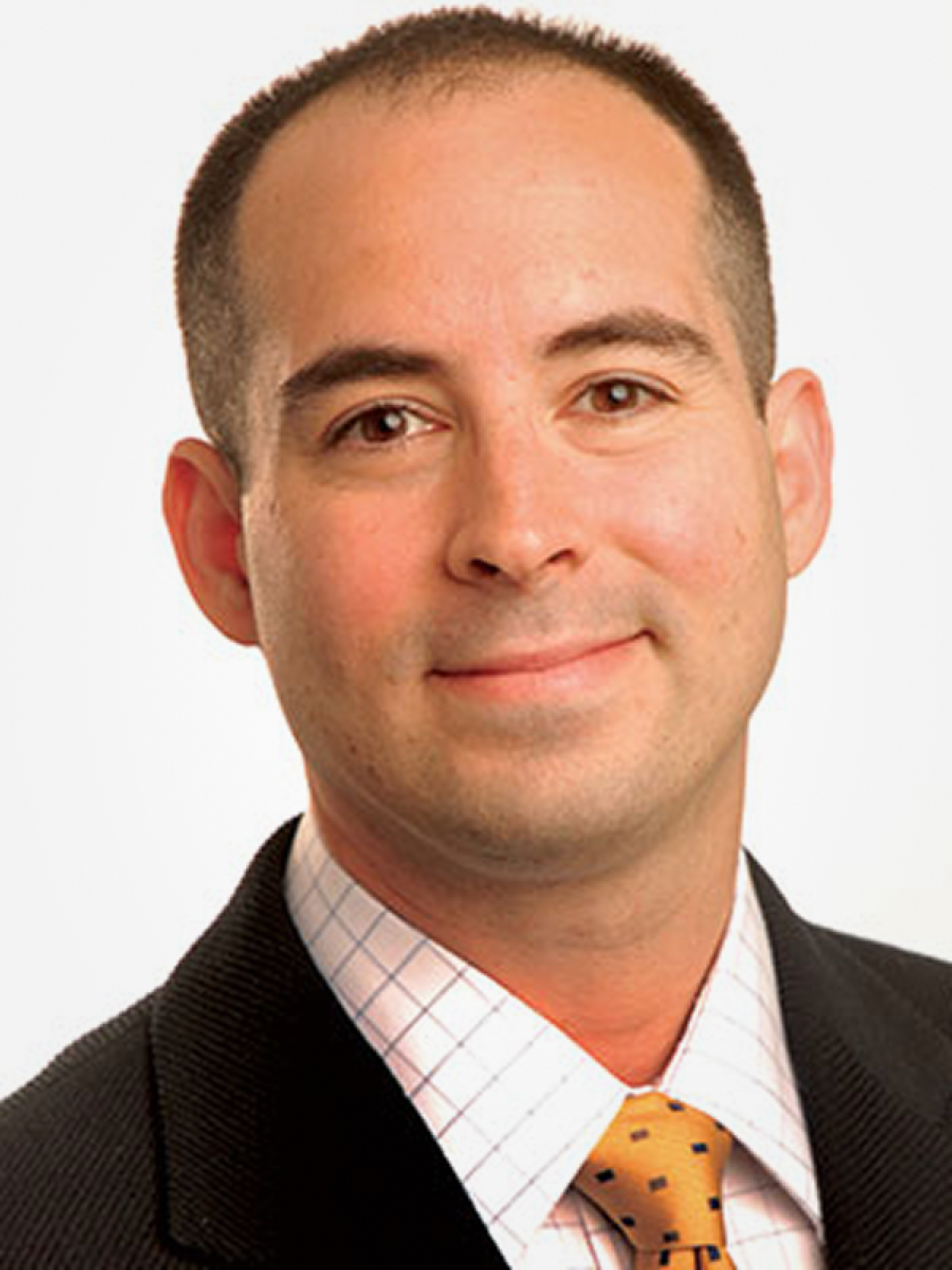
Ronald J. Colombo, JD
Associate Dean for Distance Education and Professor of Law
LAW 2993: Introduction to the American Legal System
Students in the MA and Certificate programs begin their academic journey with Professor Ronald Colombo, who teaches Introduction to the American Legal System, providing the legal foundation that supports the remainder of the curriculum.
Professor Ronald Colombo serves as associate dean for Distance Education and professor of law at Hofstra University’s Maurice A. Deane School of Law. He helped oversee the planning and launch of Hofstra’s online Health Law and Policy programs and has extensive experience developing innovative online legal education. His teaching focuses on helping students understand how American legal institutions, legal reasoning, and regulatory systems operate before applying those concepts throughout the program.
Prior to joining Hofstra, Professor Colombo practiced corporate and securities law with leading national firms and served as vice president and counsel at Morgan Stanley. His scholarship explores constitutional law, corporate law, financial regulation, and religious liberty, and he has received multiple teaching awards recognizing his commitment to student success.
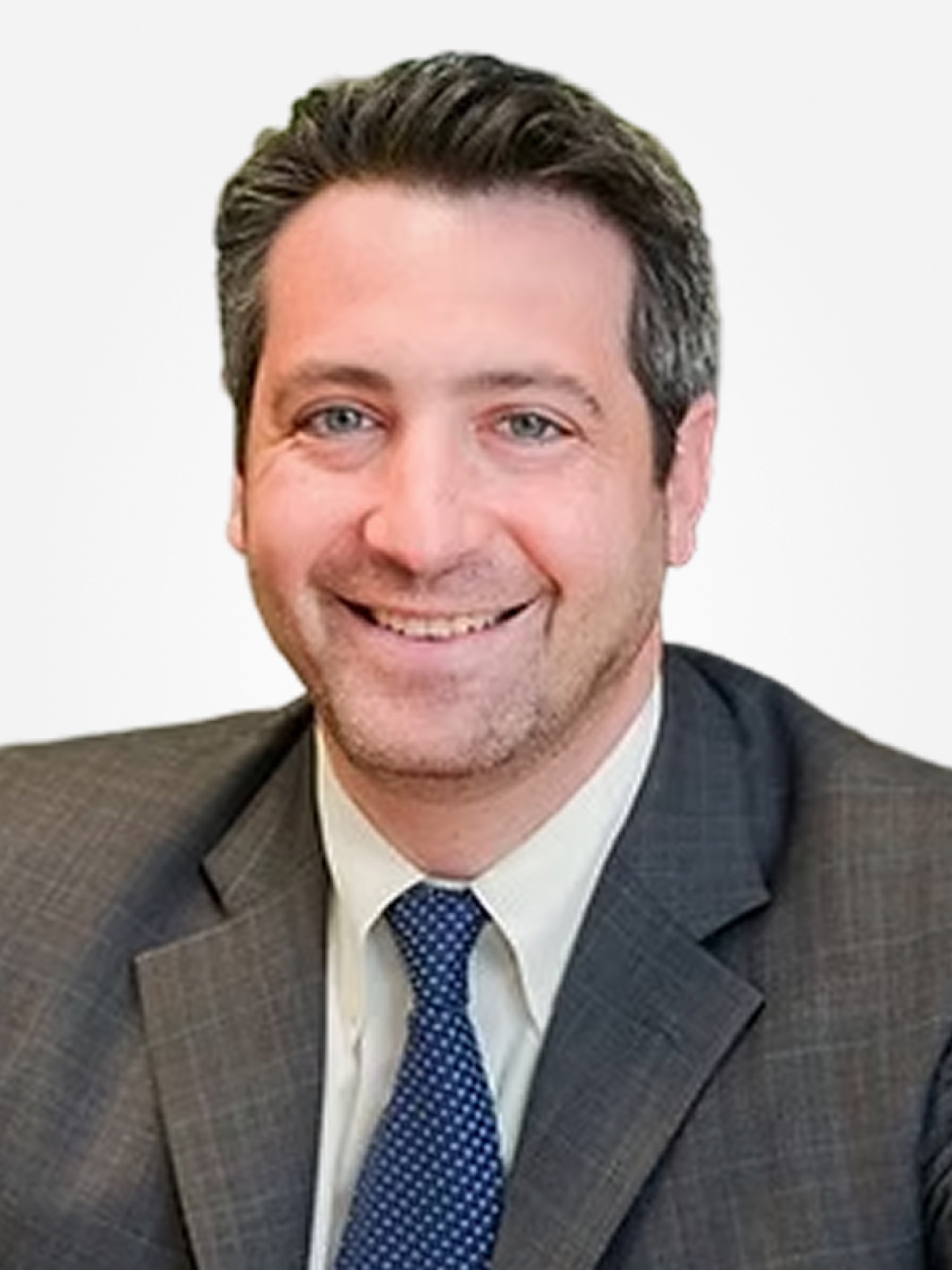
Victoria M. Dearing, DO
Special Professor of Law
LAW 2909: Medicare and Medicaid Law
Professor Victoria Dearing brings decades of experience as both a healthcare attorney and legal educator. She teaches courses covering Medicare and Medicaid law, disability law, pharmaceutical regulation, and the legal issues surrounding drug discovery and commercialization.
Throughout her career, Professor Dearing has combined legal practice with teaching across multiple law schools, focusing on health law, administrative law, bioethics, and public service. Her interdisciplinary background helps students understand the complex legal, regulatory, and ethical issues facing today’s healthcare professionals.

Adam Kahn, Esq.
Special Professor of Law
LAW 3503: Health Law and Policy Capstone
Adam Kahn is a practicing health law attorney whose work focuses on healthcare compliance, guardianship proceedings, medical decision-making, Medicaid, Medicare, and healthcare regulation. He teaches the capstone course for Hofstra’s online Health Law and Policy programs, helping students integrate legal concepts and policy analysis through applied research.
In addition to his teaching, Mr. Kahn represents healthcare institutions and individual clients on a broad range of health law matters. His combination of active legal practice and years of experience teaching in the online program provides students with practical insight into today’s healthcare legal environment.
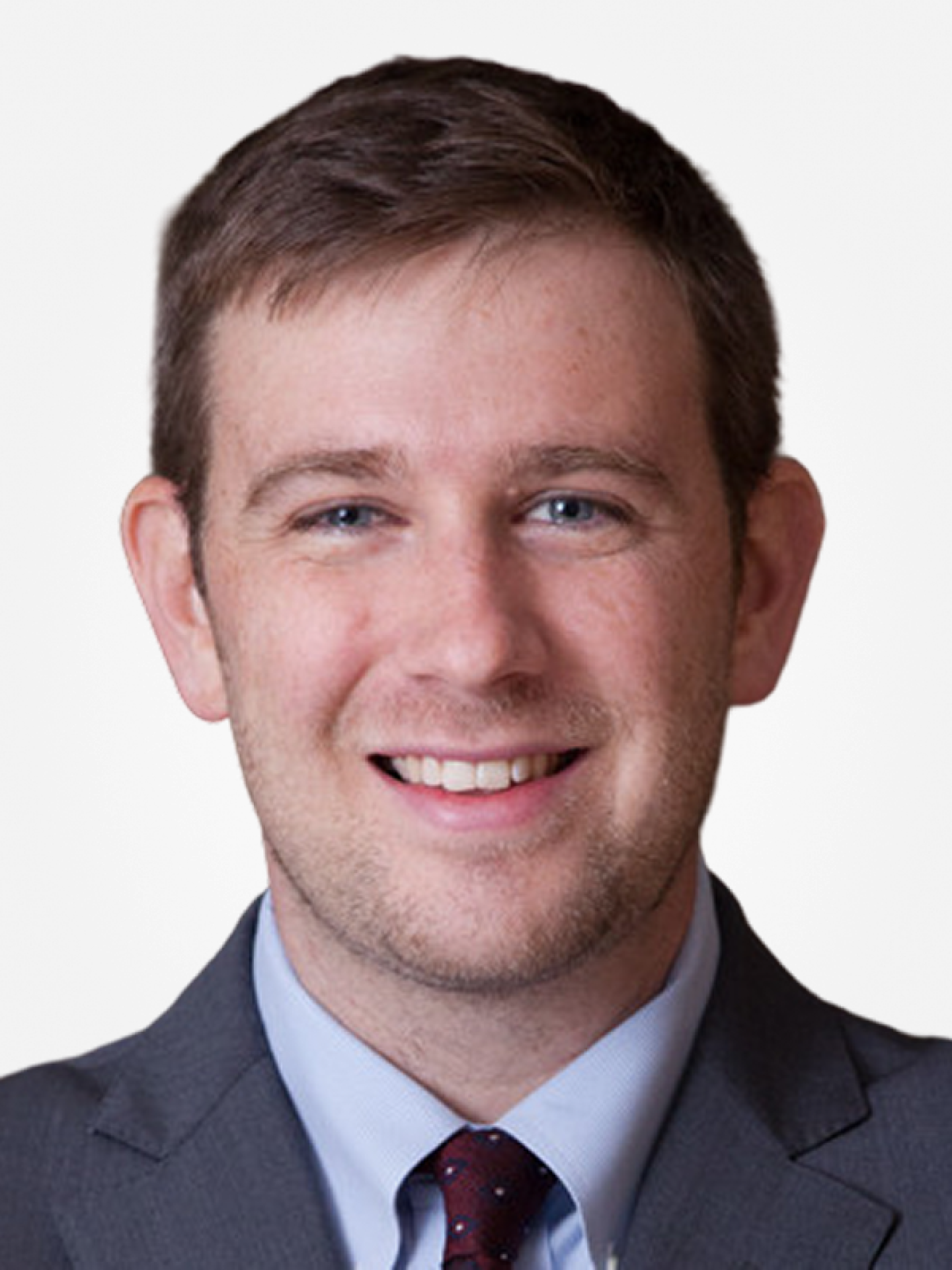
Steven C. Richman, JD
Special Professor of Law
LAW 3844: Health Law
Steven Richman brings extensive leadership experience in higher education administration, student affairs, healthcare operations, compliance, and institutional governance. His career includes leadership positions at Hofstra University and organizations focused on student success, global education, and operational strategy.
Drawing on years of experience working at the intersection of higher education, healthcare operations, and regulatory compliance, Mr. Richman helps students understand how legal and policy decisions influence organizational leadership, governance, and healthcare administration.
Keegan B. Sapp, JD
Special Professor of Law
LAW 2832: Law of Medical Product Discovery, Development, and Commercialization
LAW 2511: The ADA: Statutory Interpretation
Professor Keegan Sapp teaches courses focused on disability law, statutory interpretation, and the legal framework governing medical products. His instruction emphasizes how legislation, agency regulations, and judicial interpretation shape healthcare policy and legal compliance.
Outside the classroom, Professor Sapp serves as associate general counsel for Long Island University, advising on employment law, disability accommodations, regulatory compliance, and institutional governance. His practical legal experience helps students understand how statutory and regulatory requirements affect organizations in real-world settings.
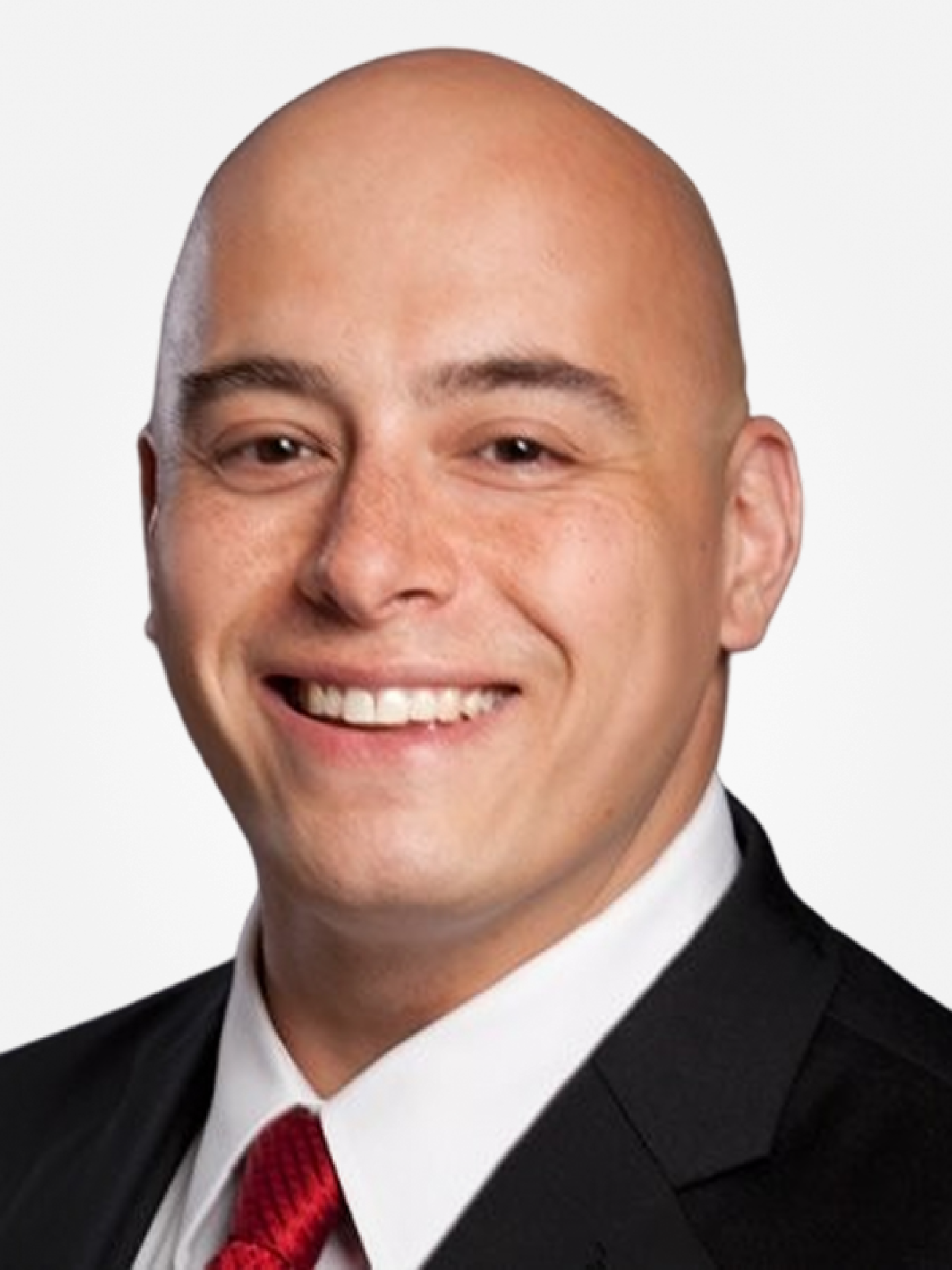
Paul B. Sudentas, JD
Special Professor of Law
LAW 3500: Business Transactions in Healthcare
LAW 2941: Representing Healthcare Providers
Paul Sudentas teaches Business Transactions in Healthcare, drawing on extensive experience negotiating commercial agreements involving healthcare, biotechnology, pharmaceuticals, intellectual property, and technology transactions. His course introduces students to the legal and business considerations involved in healthcare partnerships, acquisitions, and commercial operations.
Alongside his teaching at Hofstra, Mr. Sudentas has practiced with leading national law firms, advising clients on healthcare transactions, life sciences, data privacy, and intellectual property matters. His background bridges legal strategy with the operational realities of today’s healthcare industry.